Adding Stories, Not Breaking Walls: The Case for the Urban Palimpsest
Demolition used to be the go-to move in city-building. Wipe the slate clean and start fresh. But what if erasing history means losing the very soul that makes a place thrive? The urban palimpsest approach flips that script, layering new ideas over old foundations through adaptive reuse and sustainable city-building. Let’s unpack why this layered design mindset not only respects community roots but also sets the stage for smarter, more resilient urban futures. Learn more about the urban palimpsest approach here.
Understanding the Urban Palimpsest
Let's journey through the fascinating world of urban palimpsests, where the old and new coexist. This approach sheds light on how cities can evolve without losing their essence.
What is Urban Palimpsest?
Imagine living in a city where every building and street whispers stories from the past while embracing the future. Urban palimpsest is exactly that—a cityscape layered with history and innovation. Unlike flipping through a brand-new book, it's like reading a novel where each chapter builds upon the last. In urban environments, this means adding new layers to existing structures instead of starting from scratch. It's like giving a second life to spaces that have served their initial purpose. Explore a detailed analysis of urban palimpsests here.
The beauty of this method lies in its ability to honor history while accommodating modern needs. Think of an old factory transformed into stylish lofts or a historic school turned into a bustling community center. These spaces tell stories, connect people, and enrich the urban tapestry. Most people assume fresh is always better, but urban palimpsests show us that there's magic in the mix.
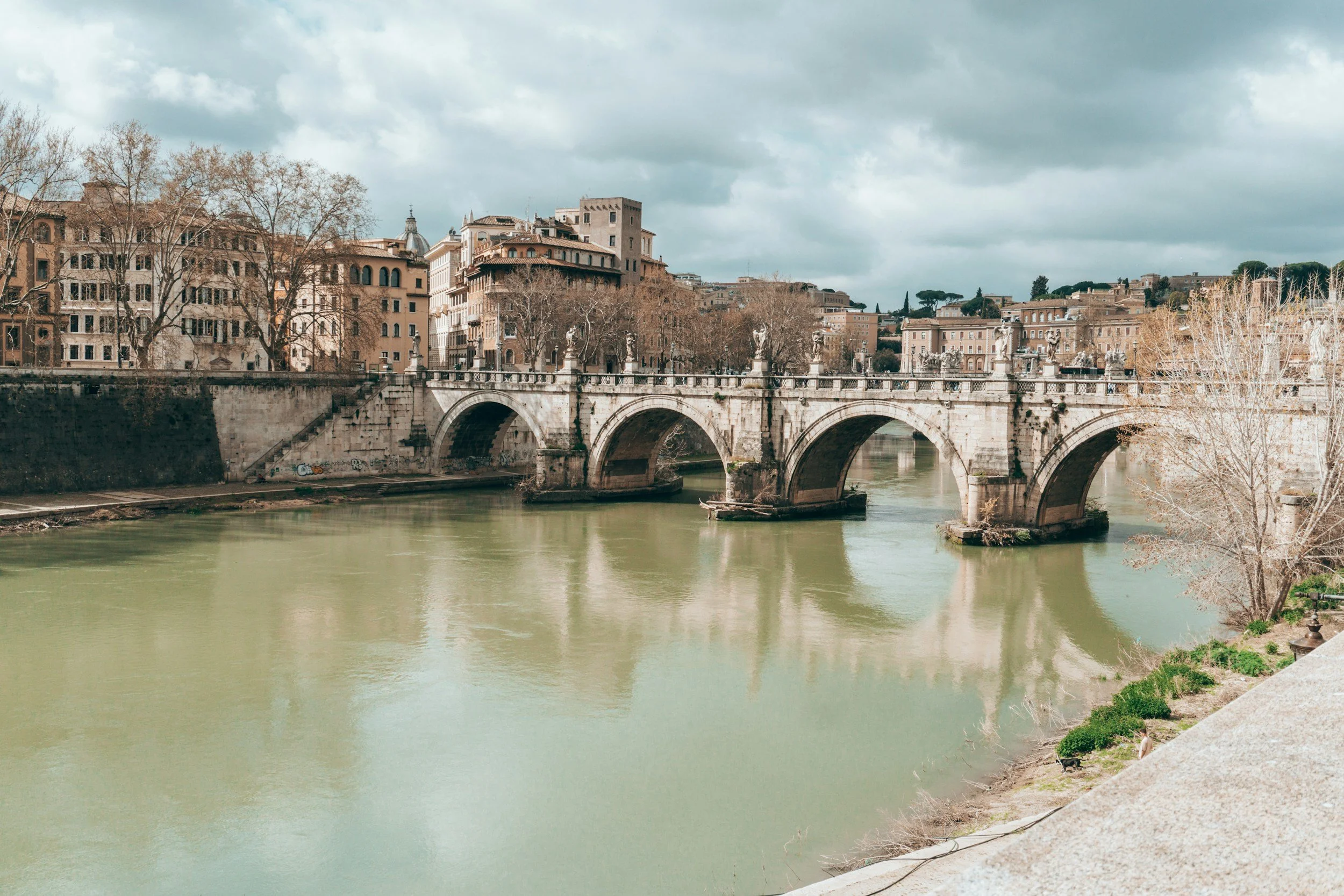
Layered Design over Demolition
We've been conditioned to view demolition as the ultimate path to progress. But what if the wrecking ball isn't always the answer? Layered design suggests a smarter, more respectful approach. Instead of wiping the slate clean, it builds upon what's already there, merging past and present. This method not only preserves local character but also reduces environmental impact—reusing existing structures can cut down on waste and resource consumption.
Consider the environmental benefits: adaptive reuse can reduce carbon emissions by up to 60% compared to new builds. It's a compelling alternative that challenges the conventional belief that new is always better. By embracing the layers beneath our feet, we not only save resources but also craft cities full of character and depth. Delve deeper into the impact of demolition on urban development.
Advantages of Adaptive Reuse
Shifting gears, let's explore why adaptive reuse is a game-changer in sustainable city-building. This approach lays the groundwork for a future that respects both community and environment.
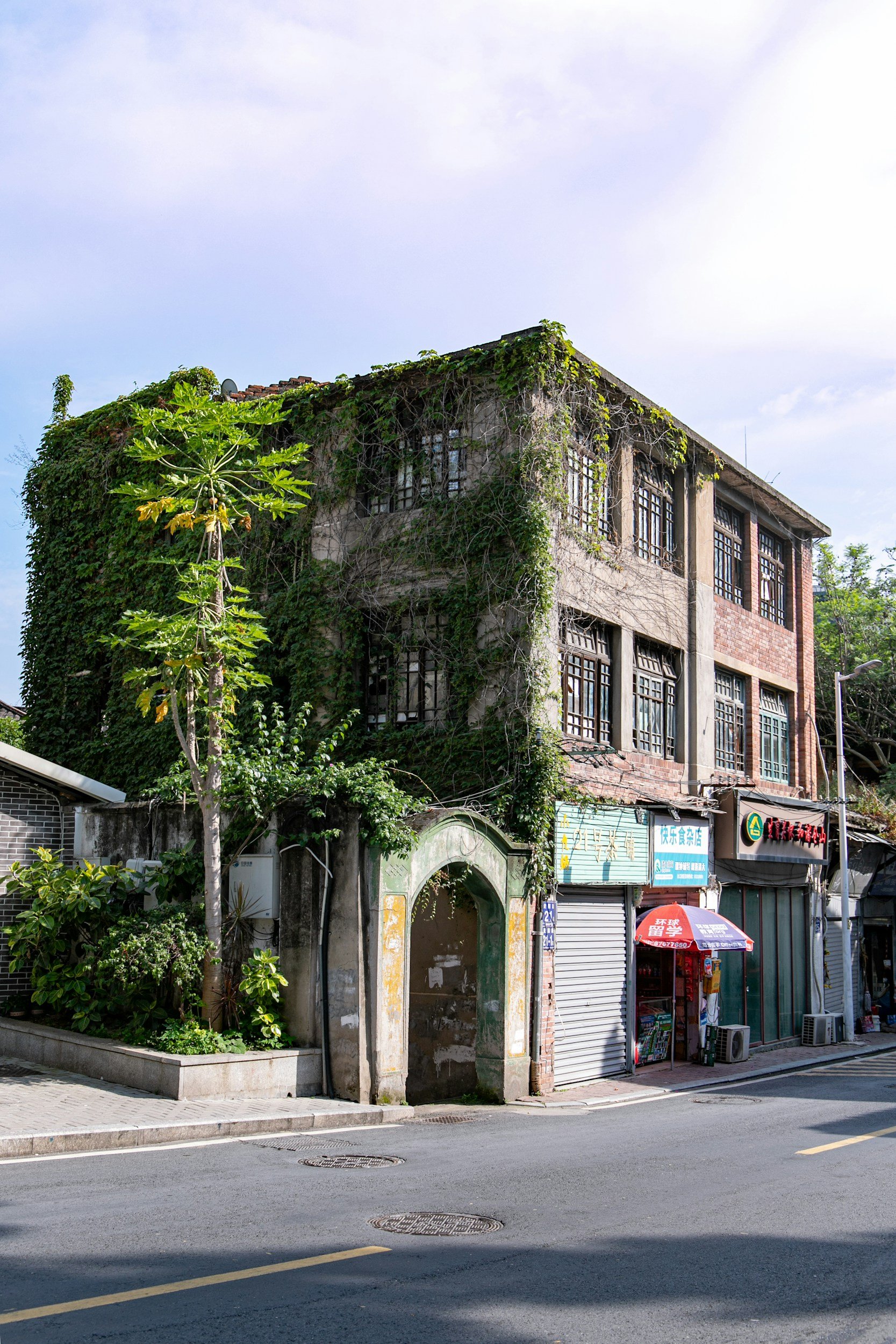
Sustainable City-Building Benefits
Adaptive reuse is more than a buzzword; it's a cornerstone of sustainable city-building. By reimagining old structures, we significantly cut down on waste. Picture this: renovating an old building can save approximately 50% of the energy that would be used in new construction. That's a huge win for our planet! This approach not only reduces carbon footprints but also aligns with eco-friendly building practices.
Moreover, adaptive reuse encourages resource efficiency. Instead of using new materials, it often repurposes what's already there. This means fewer trees cut, less energy consumed, and a smaller impact on our planet. It's a strategy that not only meets today's needs but also safeguards tomorrow's.
Community-Focused Architecture
Adaptive reuse isn't just about buildings; it's about people. Community-focused architecture cares deeply about the human aspect of design. By preserving familiar landmarks, it fosters a sense of belonging and continuity. Transforming spaces in this way can rejuvenate neighborhoods and boost local economies. Explore how community-focused architecture shapes urban spaces.
Consider a rundown warehouse turned into a cultural hub. Not only does it save space, but it also creates a vibrant community center where people gather, share, and celebrate. Most assume new builds are the key to progress, but adaptive reuse proves that sometimes the best way forward is to look back and build upon what we already have.
Commitment to Sustainable Design
At N.8 Works, sustainable design is more than a trend—it's a guiding principle. They believe in reimagining spaces to breathe new life into them while preserving their essence. Their architect-led approach ensures each project is thoughtfully crafted with both design intelligence and technical precision. By prioritizing sustainability, they help reduce environmental impact while creating resilient urban spaces.
N.8 Works' projects often feature innovative solutions that minimize waste and maximize impact. They're not just creating buildings; they're building a legacy of environmentally responsible architecture.
Implementing Layered Solutions
Layered solutions are at the heart of N.8 Works' design philosophy. They expertly blend old and new, creating dynamic spaces that honor the past and embrace the future. Whether it's transforming an industrial site into a mixed-use development or converting a historic building into modern offices, their approach is both visionary and respectful. Learn more about industry approaches to layered solutions.
Their work challenges the notion that progress means erasing history. Instead, they prove that the most forward-thinking solutions often come from looking back. By prioritizing layered design, N.8 Works not only meets the needs of today but also anticipates the demands of tomorrow.
In a world where cities are constantly evolving, N.8 Works stands out by embracing the power of the urban palimpsest. Their projects serve as reminders that, sometimes, the best way to move forward is to honor where we've been.
