
Adding Stories, Not Breaking Walls: The Case for the Urban Palimpsest
Demolition used to be the go-to move in city-building—wipe the slate clean and start fresh. But what if erasing history means losing the very soul that makes a place thrive? The urban palimpsest approach flips that script, layering new ideas over old foundations through adaptive reuse and sustainable city-building
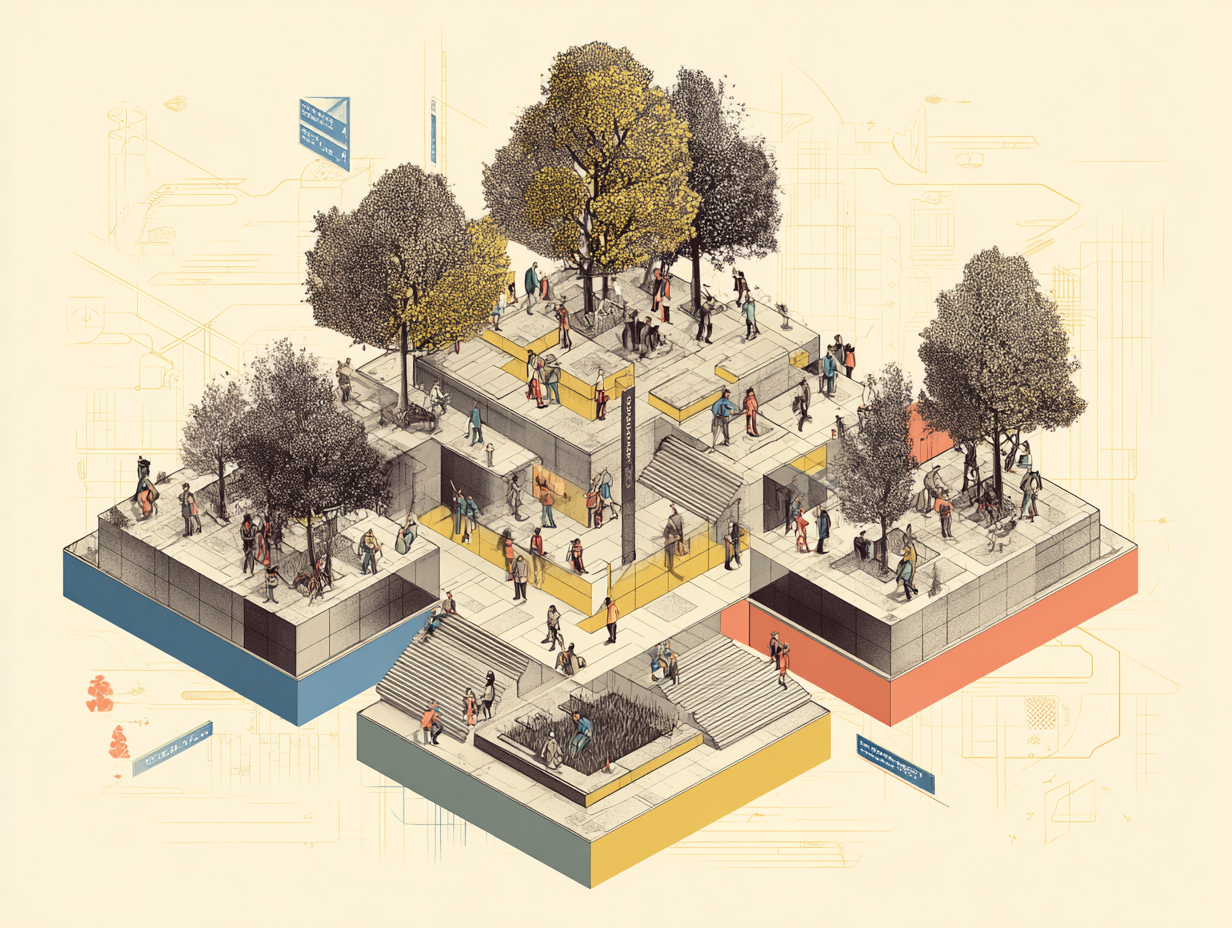
Sustainability as a Social Contract: Designing with Long-Term Community Respect
When we talk about sustainable design, we're talking about more than just buildings. It's about creating spaces that respect and uplift communities. But how do we ensure these spaces continue to benefit the people who use them?
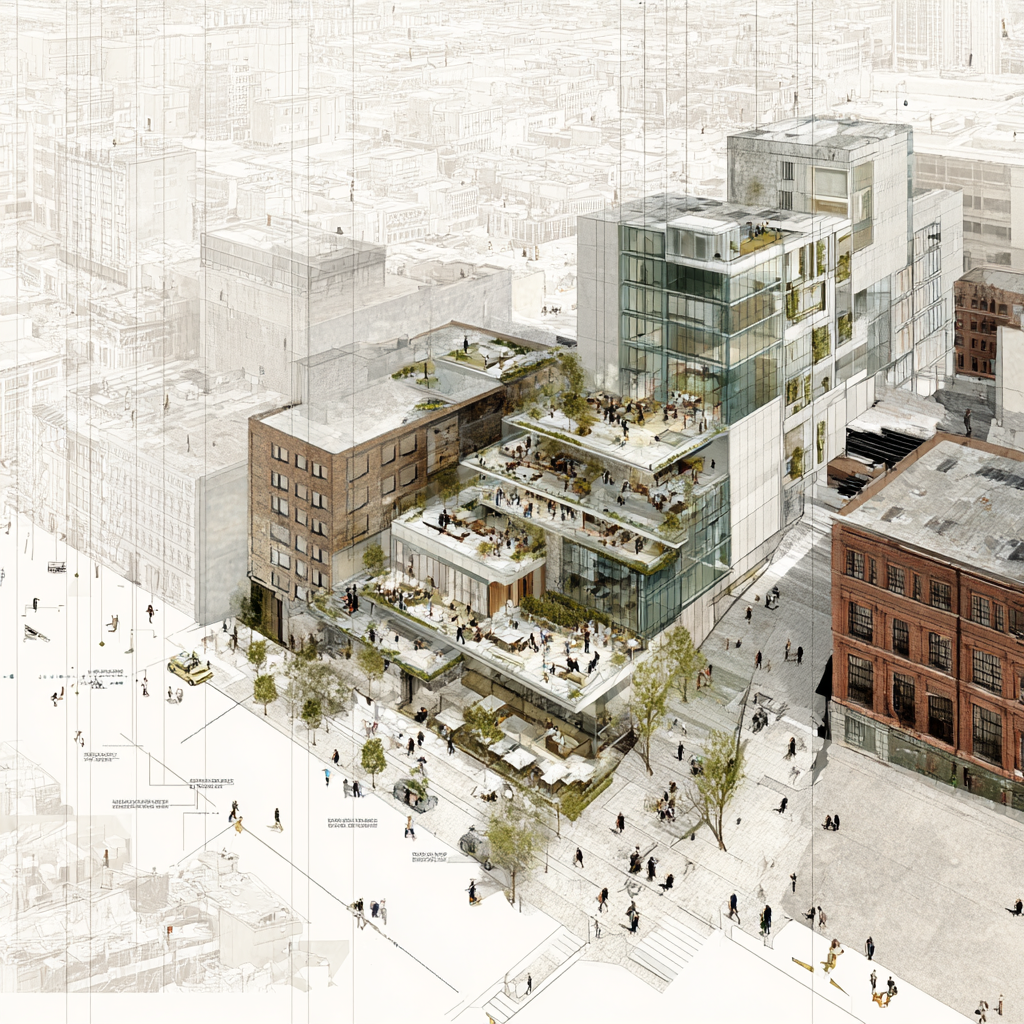
Precision in Revit Modeling: The Power of Clarity Over Complexity
Just because your Revit models resemble a labyrinth straight out of an M.C. Escher sketch doesn't mean they're doing you any favors. When those intricate details accumulate without a guiding star, projects can come to a halt faster than attempting to run Revit and Zoom simultaneously on your trusty laptop with 8 gigs of RAM (yep, we've all felt that lag). At N.8 Works, we embrace technical precision that slices through the chaos like an artisan carving through fine cheese, creating models that not only make sense but empower your project's narrative arc (because who doesn’t love a plot twist?). Opting for clarity over complexity could very well be your project's golden ticket.
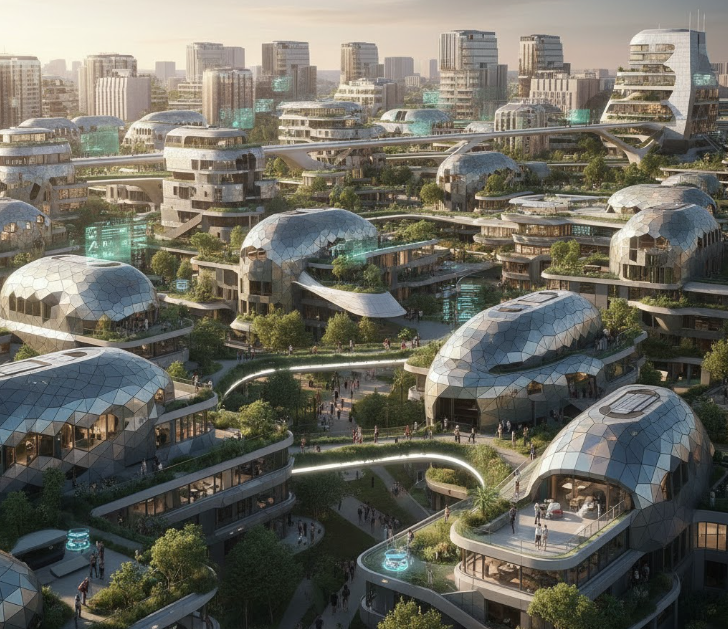
Architecture 2050: What We Should’ve Built Instead of Whatever “This” Is
Picture it: 2050. Gas is seventeen bucks a gallon, chickens have somehow become a respectable form of currency, and we’re still designing neighborhoods where you need a car, a podcast, and a packed snack just to reach your own mailbox.
Meanwhile, we’re out here building 6,000 sq ft houses like utilities aren’t slowly turning into ‘luxury subscriptions,’ and drawing rigid, single-purpose rooms that trap people in whatever lifestyle they had the day they signed the mortgage.
The future is going to roast us — and honestly, it should.

The Danger of Early Visuals: Clients Fall in Love Too Fast
Here’s the thing no one in our industry wants to say out loud: the second you show a client a visualization — even a rough one, even a ‘please don’t get attached to this’ one — that image becomes the project in their mind. It doesn’t matter that the massing isn’t resolved, the finishes are placeholders, the budget is fantasy, and the render is basically architectural fanfiction. Humans attach to what they can see. And once the picture is in their head, every future design move gets judged against it.
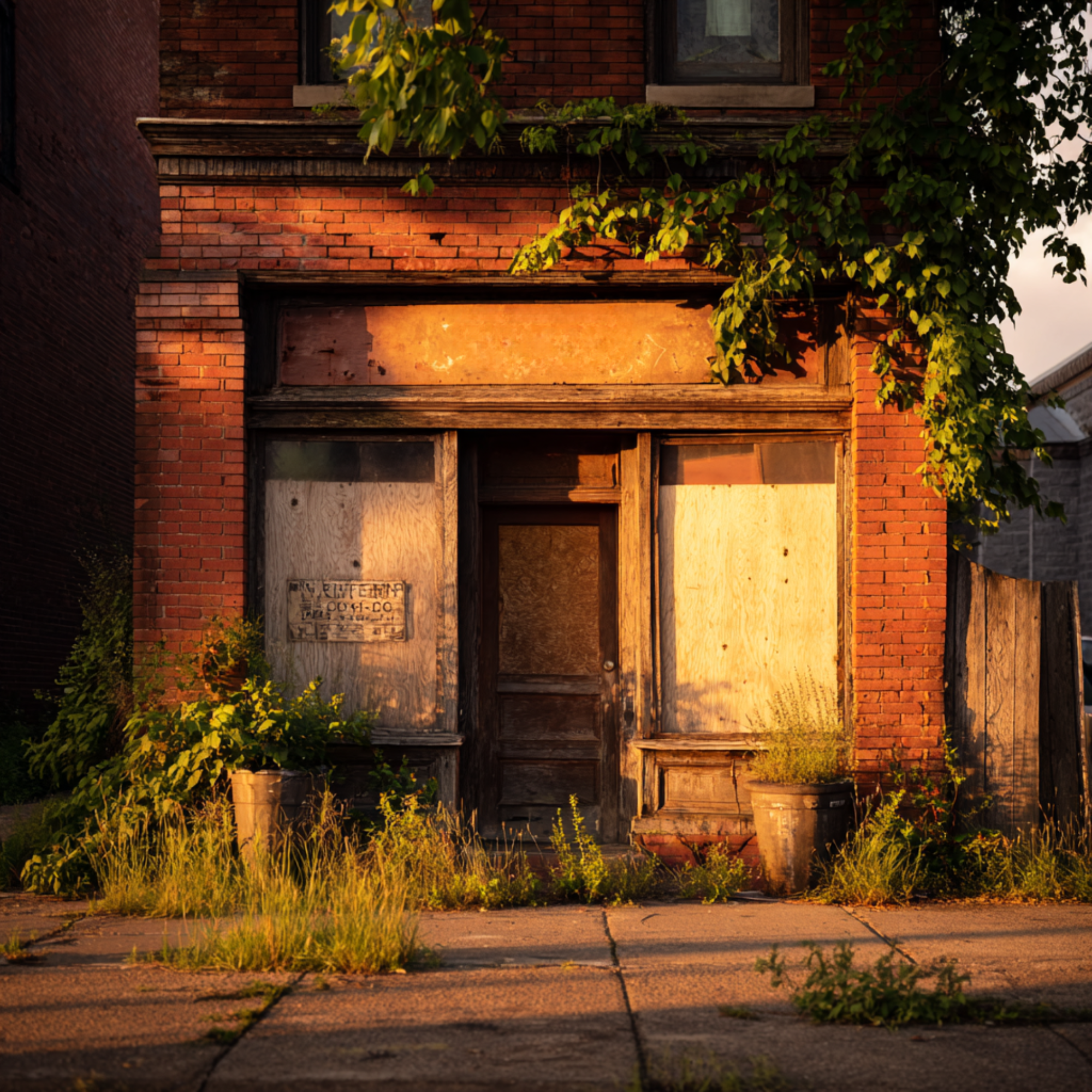
Vacant Doesn’t Mean Forgotten
We see empty buildings and forgotten lots as blueprints for something better: spaces that can be reborn as workshops, cafés, studios, and homes. We’re building a new model for small-scale development—one rooted in equity, community, and design that works with what’s already here.