Sustainability as a Social Contract: Designing with Long-Term Community Respect
Sustainable design is a pact between architects and communities that lasts decades. When your project respects its neighborhood’s rhythms and needs, it gains more than approval; it earns trust. Let’s unpack how architectural intelligence can shape community-driven architecture with a long-term impact that doesn’t fade once the ribbon is cut. Learn more about the role of social contracts in sustainable design.
Sustainable Design as a Social Contract
When we talk about sustainable design, we're talking about more than just buildings. It's about creating spaces that respect and uplift communities. But how do we ensure these spaces continue to benefit the people who use them?
Foundations of Community Respect
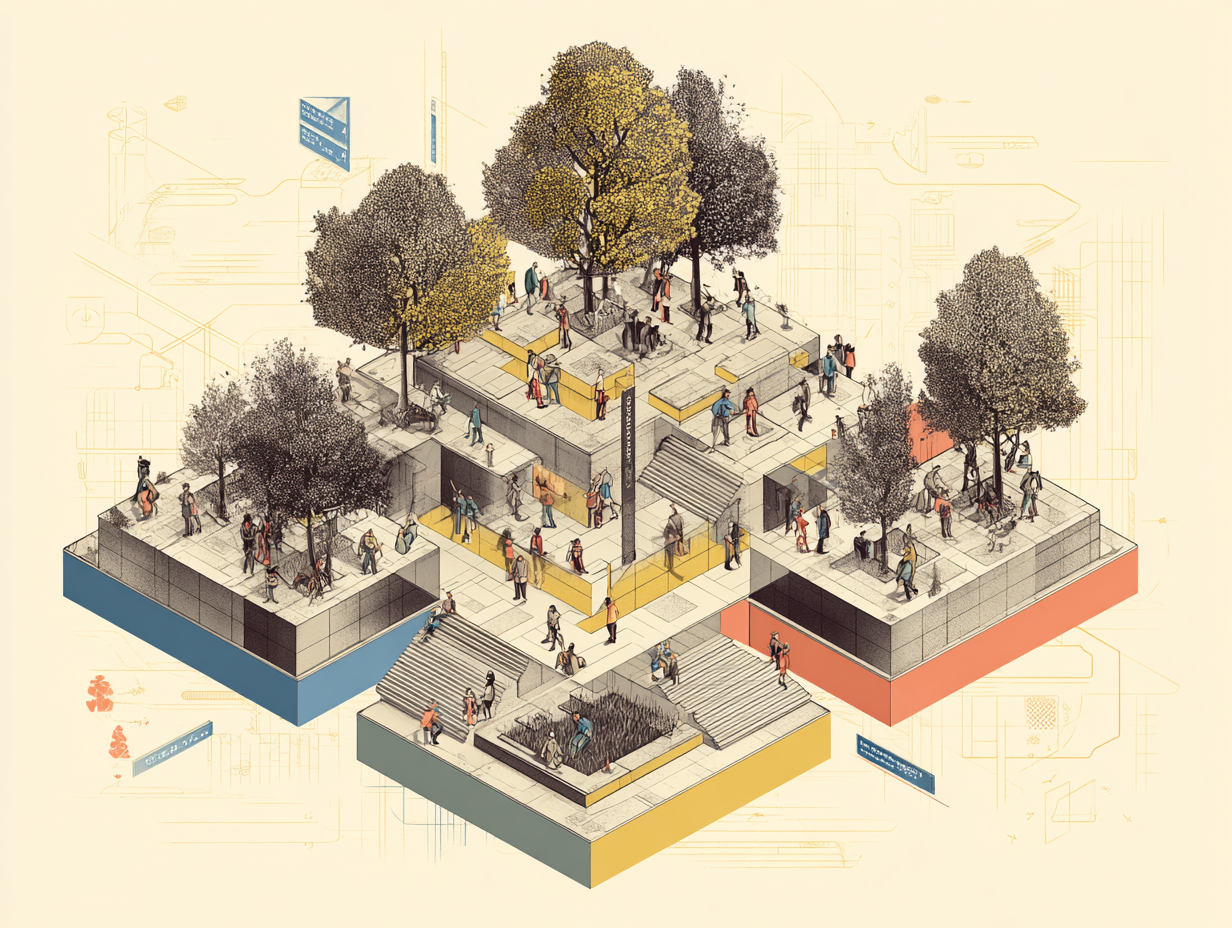
At the heart of this approach is the idea that architecture should serve the people around it. When you think about a new project, consider the community's unique character and needs. By doing so, you create a foundation of trust and mutual respect. This isn't just about listening; it's about understanding and responding to the specific rhythms of the area.
One way to achieve this is through active engagement with community members. Ask questions, gather feedback, and learn what truly matters to them. This might mean incorporating local materials or architectural styles that resonate with the community's identity. These actions show you're committed to their well-being, not just the aesthetics of the building.
Long-Term Impact on Local Communities
When a building respects its community, the benefits extend far beyond its walls. Projects that prioritize community needs often see increased support and longevity. This is because they aren't just structures—they become integral parts of the community's social fabric.
Consider the economic boost local businesses receive when a thoughtfully designed building draws visitors. Or the pride residents feel when their neighborhood is recognized for its architectural beauty. These outcomes create a ripple effect, enhancing the community's overall quality of life. For a deeper dive into how design can foster social sustainability, check out this comprehensive guide.
Architectural Intelligence in Practice
Having explored the broader implications of sustainable design, let's focus on how architectural intelligence brings these concepts to life. This involves using smart design principles to create spaces that are both beautiful and functional.
Community-Driven Architecture Explained
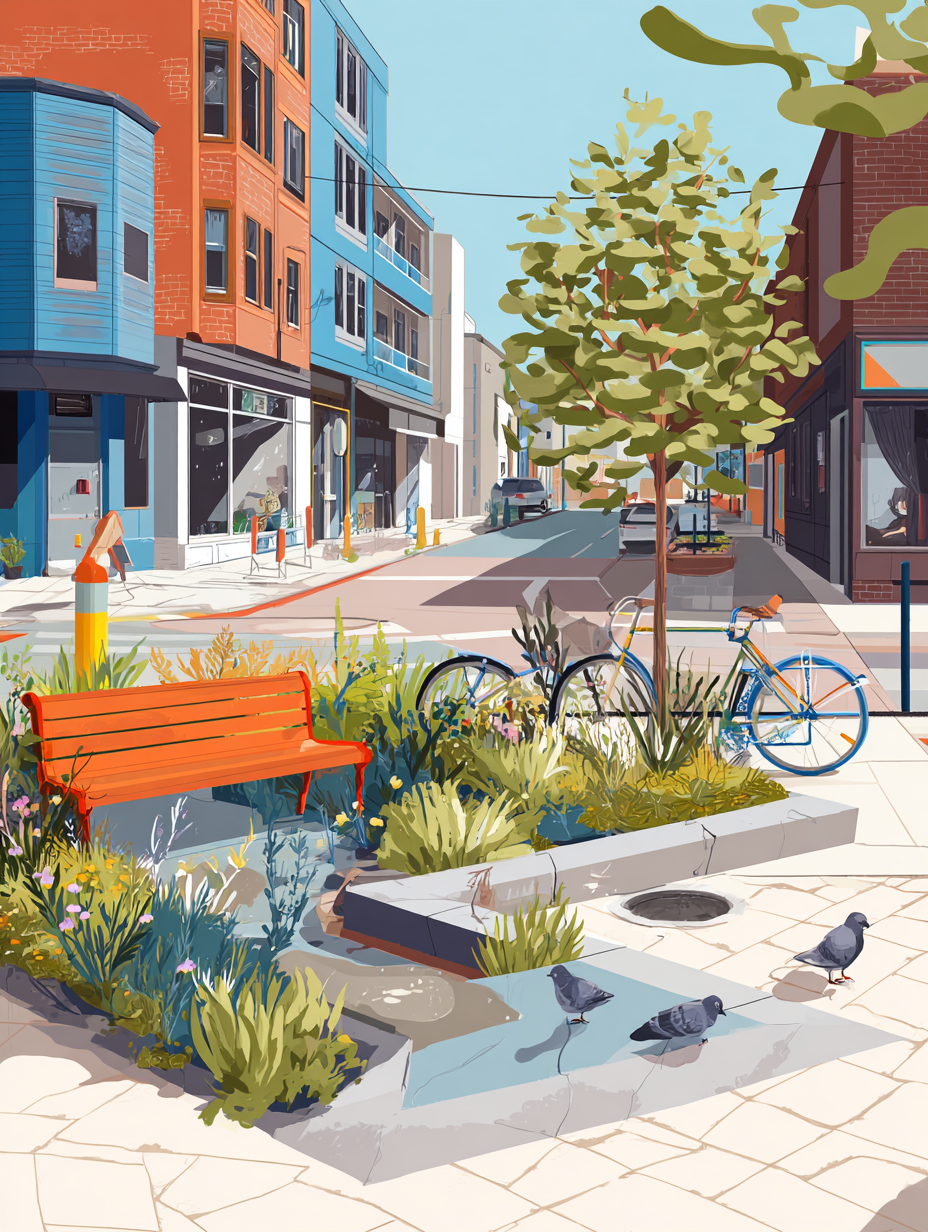
Community-driven architecture starts with listening. By engaging with the community, architects can gather insights that guide the design process. This means considering everything from local history to future growth plans. It's about creating spaces that are not only useful today but will continue to serve the community for years to come.
For example, a public library designed with input from local residents might include flexible meeting spaces that can adapt to changing needs. This adaptability ensures the building remains relevant and useful, no matter how the community evolves. By prioritizing community needs, architects can create spaces that stand the test of time.
Designing for Future Generations
When designing for the future, architects must think beyond immediate needs. This means considering how a building will age and adapt over time. By choosing durable materials and flexible layouts, architects can ensure their designs remain functional and appealing to future generations.
Incorporating sustainable practices, like energy-efficient systems and green spaces, also plays a crucial role. These features not only reduce a building's environmental impact but also enhance its long-term value to the community. As we look to the future, it's clear that sustainable design is more than just a trend—it's a responsibility. Learn more about the evolving nature of community ethics and design here.
By recognizing the social contract inherent in sustainable design, architects and communities can work together to create lasting, impactful spaces. This partnership not only benefits today's residents but also lays the groundwork for a brighter, more sustainable future.
